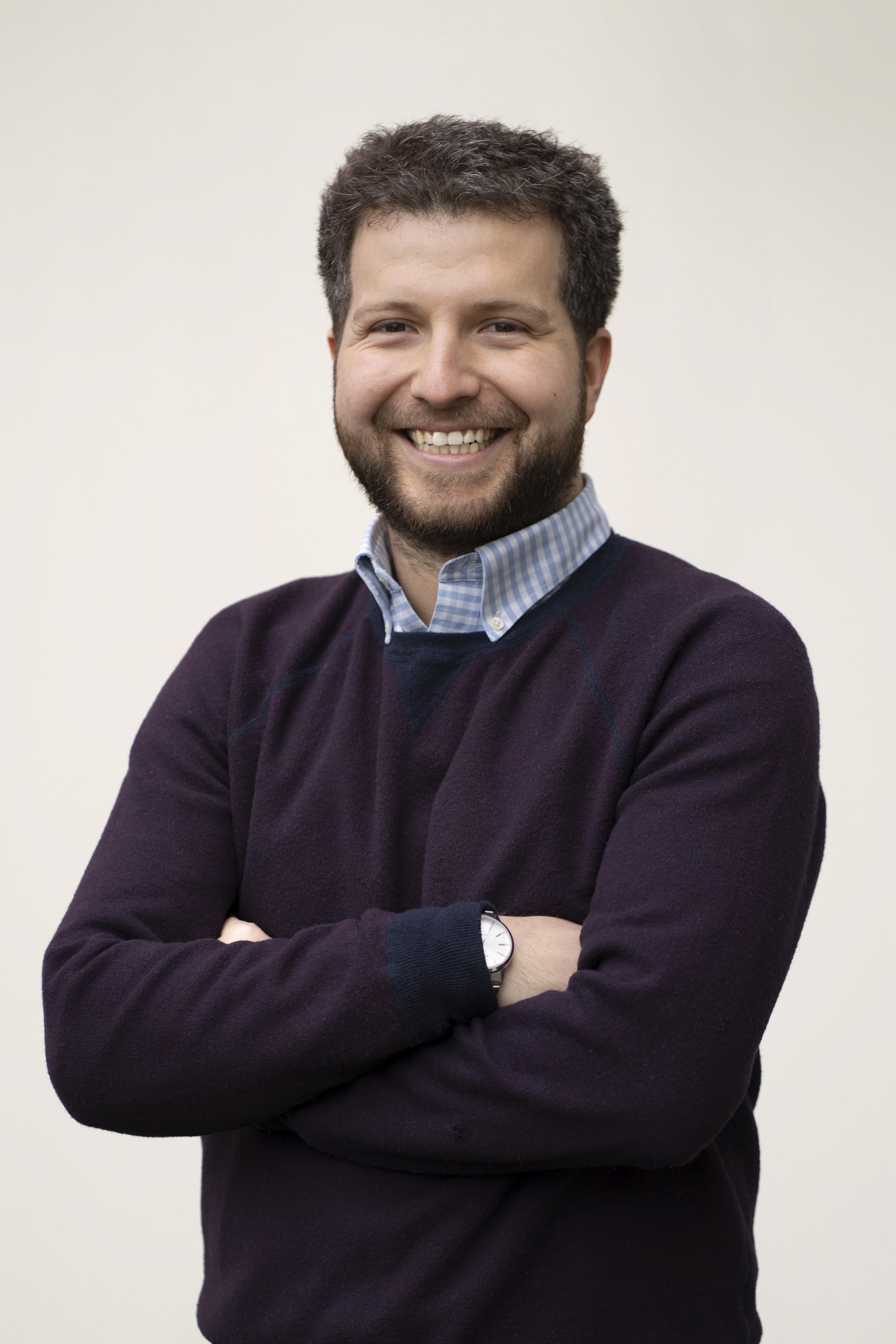
The 18th edition of Marcus Evans' Chem / Petrochem and Refinery Shutdowns and Turnarounds took place on August 4 and 5, 2026, at The Jung Hotel & Residences in New Orleans. On Tuesday afternoon, KEWAZO CEO and co-founder Artem Kuchukov joined a panel titled “Drive continuous improvement and cross-functional alignment for the next generation of turnarounds.”
The session was moderated by Carlos Henrique Schulz (Braskem), and also brought together Charles C. Gunst (ExxonMobil), Brad Apking (Methanex), Lawrence Bazille (Dow), and Robin Harris (TotalEnergies).
Where turnaround improvement actually gets stuck
Across different companies and facilities, one theme kept coming up: the hardest part of improving a turnaround is rarely the engineering. Instead, it sits in the communication between people and in whether specific individuals are willing to take the risk of trying something.
That makes resistance rational rather than a refusal to innovate. When one day of delay costs millions, and the payoff from an unproven method is unclear, a turnaround manager who declines the trial is not obstructing anything. That is the instinct that keeps the unit safe and the schedule intact, doing its job. It is also why arguing the technical case harder does not move it.
Culture is set at the top
If the technical case is not the blocker, then what it ends up being is the culture, and culture does not emerge upward from the crews doing the work. It is set by senior leadership and cascaded down. Where a failed trial is treated as a career event, no amount of modelling gets one approved. Where it is treated as the price of finding something out, the same proposal moves.
Artem offered a practical perspective:
“You choose the people you work with and the objectives you set them. Those two things are how a culture gets built.” Hope is not a strategy. A culture of continuous improvement is designed, staffed and measured, or it drifts.
What it looks like when a site says yes
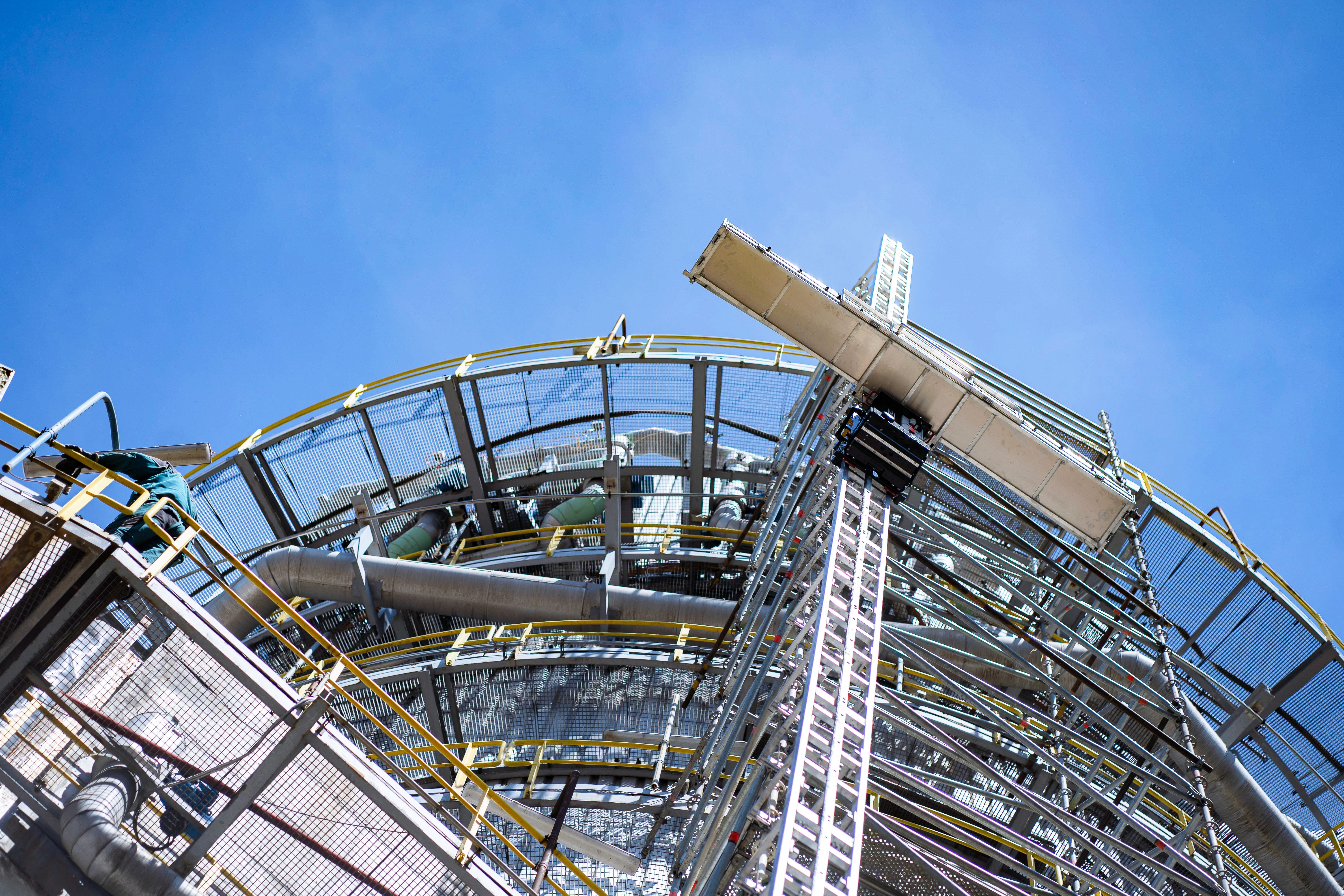
KEWAZO is in these conversations because it sits on the other side of that decision repeatedly, alongside the same operators. LIFTBOT, KEWAZO’s battery-powered material handling robot, runs with companies represented on this panel.
That experience mirrors what we see in the field. Technology is rarely the limiting factor. More often, success depends on creating a culture where teams are encouraged to test new approaches rather than avoid them. The people who most want change are often not the ones who get to approve it. That’s why much of our work is helping customers build the case internally and secure buy-in.
If you are planning a 2027 turnaround and the constraint you keep hitting is getting a change approved rather than finding the technology, that is the conversation we have most often. The contact page is the fastest way to start it.